
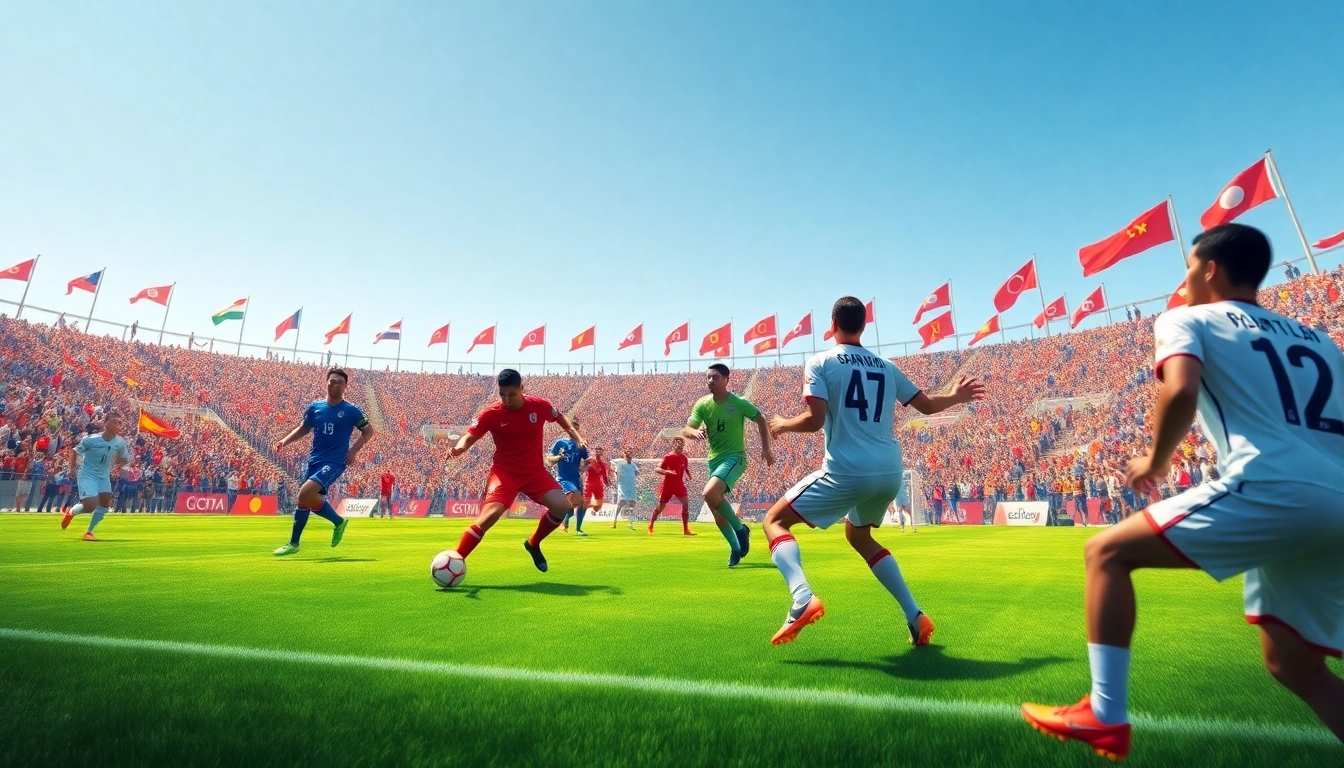
What is Giao Hữu ĐTQG?
Giao Hữu ĐTQG, or National Team Friendlies, represents key exhibition matches played between national football teams outside the framework of formal competitions. These matches serve multiple purposes, encompassing everything from tactical experimentation to player development. With the growing emphasis on international football, understanding the nuances of these friendlies is crucial for fans, coaches, and players alike. When exploring options, Giao Hữu ĐTQG provides comprehensive insights into the significance and structure of these matches.
Definition and Importance
The term Giao Hữu ĐTQG refers specifically to friendly matches between national teams that do not yield tournament points or trophies. Despite lacking the pressures of competitive play, these matches are vital for several reasons:
- Tactical Testing: Coaches use these opportunities to experiment with formations and strategies that might be applied in imminent competitive contexts.
- Performance Evaluation: Managers can assess player fitness and adaptability in various roles, ensuring that they have the best squad ready for major competitions.
- Team Cohesion: These games help cultivate relationships among players, enhancing communication and teamwork on the pitch.
Historical Context of National Team Friendlies
Friendlies date back to the early days of international football, where teams sought to enhance their skills and develop their play styles. Matches like the historic clash between England and Scotland in the 19th century cemented the concept of national pride and competition before formal tournaments were established. Over the years, the role of friendly matches has evolved, becoming an essential part of national team preparations for large international events such as the FIFA World Cup and UEFA European Championship.
Fan Engagement and Expectations
Fans expect these friendly matches to offer a glimpse into the strategies and styles their teams might employ in more critical contests. The emotional investment in national teams drives attendance and viewership, even if the stakes aren’t formally outlined. Fans often view these games as a chance to witness emerging talent and cheer on their countries, contributing to a vibrant football culture.
The Purpose of Giao Hữu ĐTQG Matches
Testing Tactical Strategies
One primary purpose of Giao Hữu ĐTQG matches is the testing of tactical strategies. Coaches can implement new systems and formations in a low-pressure environment, allowing them to gauge effectiveness against real opponents. This experimentation is critical, especially in the lead-up to significant competitions where teams need to be at their tactical best.
Player Development and Performance Assessment
These matches provide invaluable opportunities for player development. Young and upcoming footballers often get their chance to shine, showcasing their skills on an international stage. Coaches can assess their readiness to compete at higher levels, making crucial decisions about team selections for future tournaments.
Building Team Chemistry and Unity
Equally important is the aspect of team chemistry. Giao Hữu ĐTQG matches allow players to familiarize themselves with each other’s playing styles and preferences. Building this camaraderie is essential for a cohesive unit that can perform well under pressure in competitive settings.
The Process of Organizing Giao Hữu ĐTQG Matches
Key Steps in Match Planning
Organizing a Giao Hữu ĐTQG match involves meticulous planning. From selecting appropriate venues to arranging logistics, the process requires a seamless execution. Key steps include:
- Match Selection: Determining suitable opponents that align with tactical goals and player development objectives.
- Logistics Coordination: This includes travel arrangements, accommodation, and securing training facilities for the teams.
- Promotion and Fan Engagement: Ensuring fans are informed and excited about the upcoming match through effective marketing strategies.
Logistical Considerations for Successful Events
Logistics play a critical role in determining the success of a friendly match. From ensuring the pitch is in optimal condition to managing ticket sales and crowd control, every detail matters. Coordination with local authorities, media, and sponsors also contributes to a successful event.
Professional Standards in Organization
It’s essential that every Giao Hữu ĐTQG match meets professional standards to uphold the integrity of the sport. This includes adhering to FIFA regulations regarding match organization, player safety, and facility standards. Professionalism in organization not only enhances the gameplay experience but also improves the reputation of the host nation on the international stage.
Memorable Giao Hữu ĐTQG Matches in History
Iconic Matches and Their Impact
Throughout football history, certain friendly matches have left an indelible mark, not just on the teams involved but also on the sport itself. Matches such as Brazil vs. Germany in 2011 showcased high-caliber football, thrilling fans and drawing media attention worldwide. These iconic encounters serve as reminders of football’s beauty and unpredictability.
Lessons Learned from Giao Hữu ĐTQG
Every friendly match is an opportunity to glean lessons about tactics, player development, and national pride. For instance, Iceland’s stunning upset over England in a friendly before Euro 2016 showcases how preparation can lead to remarkable outcomes, reinforcing the importance of not underestimating any opponent.
Highlighting Rising Talents
Friendlies also play a critical role in highlighting emerging talents. Coaches often use these matches as platforms to introduce younger players, allowing them to gain essential experience and confidence. Such exposures can be vital for a player’s career trajectory, potentially opening doors to future opportunities at the international level.
The Broader Impact of Giao Hữu ĐTQG on Society
Economic Benefits of Hosting Matches
Hosting Giao Hữu ĐTQG matches can have significant economic benefits for the local community. The influx of fans and visitors stimulates the economy by boosting local businesses, including hotels, restaurants, and transport services. Economic studies indicate that major international matches can lead to millions in revenue for host cities.
Cultural Exchange Through International Football
Friendlies also provide a unique opportunity for cultural exchange. They bring together diverse groups of people, promoting understanding and appreciation among nations through sport. The shared experience of enjoying a match fosters goodwill and camaraderie that transcends borders.
Media Coverage and Global Influence
The extensive media coverage surrounding Giao Hữu ĐTQG matches enhances their global influence. Matches are broadcasted internationally, allowing countries to showcase their culture and footballing prowess to a worldwide audience. This visibility can elevate a nation’s status within the global football community.