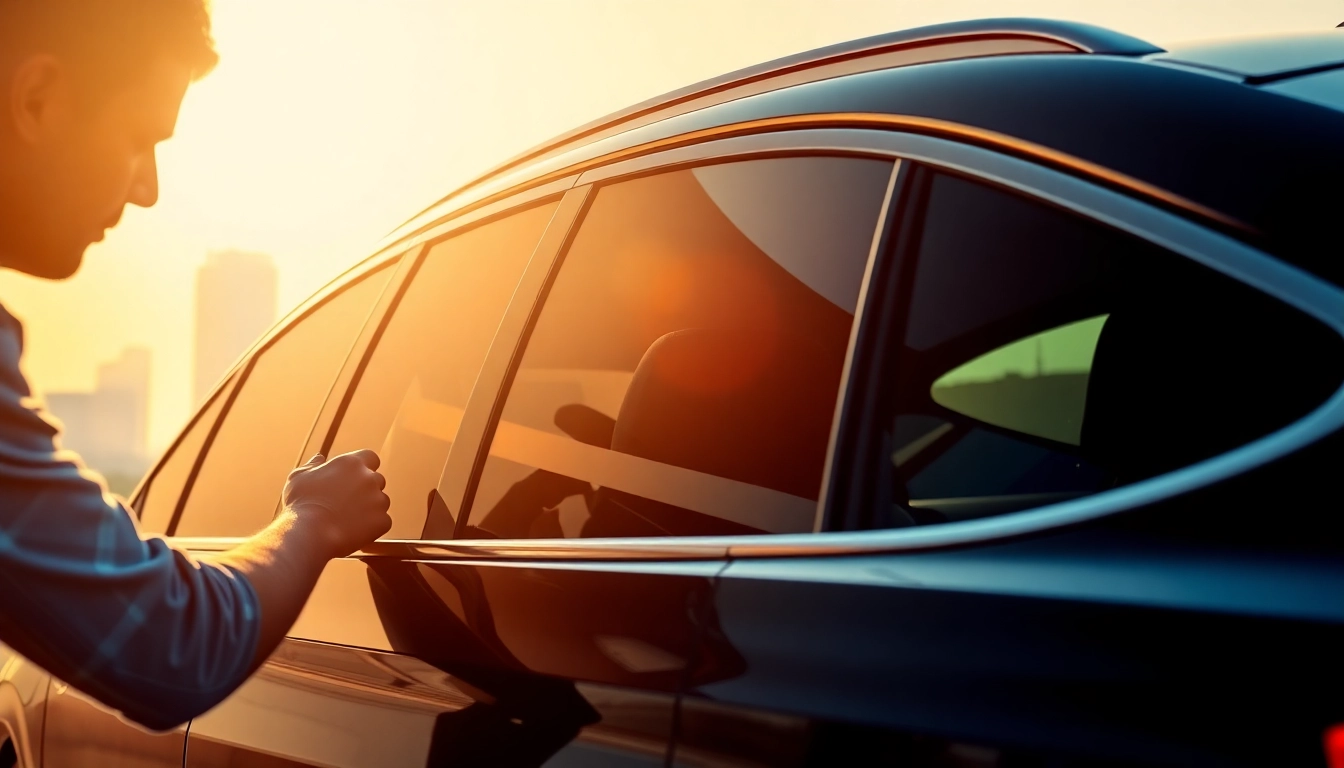
Understanding Window Tinting Options
Window tinting is a practical and popular choice for vehicle owners looking to enhance privacy, reduce glare, and protect interiors. Specifically, window tinting Cleveland TN offers a range of options tailored to meet the diverse needs of drivers. In this section, we will explore the different types of window tinting films available, the numerous benefits, and the legal regulations in Cleveland that every vehicle owner should be aware of.
Types of Window Tinting Films
There are several types of window tinting films, each made from different materials and designed to serve various purposes. The main categories include:
- PVC Films: These are economical and provide basic UV protection and privacy but may not offer the best heat resistance.
- Dyed Films: Utilizing a layer of dye between the adhesive and protective top layer, these films are often preferred for their aesthetic value. They provide color and privacy while blocking some UV rays.
- Metalized Films: Containing tiny metal particles, these films reflect heat and UV rays, offering superior performance at the cost of a slightly more reflective appearance.
- Ceramic Films: The latest in window tinting technology, ceramic films are non-metallic and provide excellent heat rejection while maintaining visibility. They are durable and scratch-resistant, making them ideal for long-term use.
- Carbon Films: Carbon films block up to 40% of infrared light, helping to keep the interior cooler. They don't fade over time and evaporate a luxurious matte finish.
Benefits of Window Tinting Cleveland TN
In Cleveland, the advantages of window tinting extend beyond aesthetics. Here are some key benefits:
- Heat Reduction: Tinted windows can lower the temperature inside your vehicle significantly, making summer drives more comfortable.
- UV Protection: Tints can block up to 99% of harmful UV rays, protecting you and your passengers from skin damage and keeping your vehicle’s interior looking new.
- Privacy and Security: Tinted windows deter prying eyes, enhancing your privacy. Additionally, it can prevent shattered glass from scattering if an accident occurs.
- Improved Aesthetics: A good tint job can improve the overall look of your vehicle, providing a sleek and polished appearance.
- Glare Reduction: Tints help reduce glare from the sun and headlights, improving visibility and comfort while driving.
Legal Regulations on Tinting in Cleveland
Before opting for window tinting, it's essential to be aware of the legal limits in Cleveland:
- For the front windshield, only the top 5 inches may be tinted.
- Front side windows must allow more than 50% of light in.
- Back side and rear windows can be tinted to any level.
- Mirrored tint is generally not permitted.
Understanding these regulations will help you make informed choices and avoid unnecessary fines or removal of your tint.
Choosing the Right Tint for Your Vehicle
Selecting the right tint for your vehicle is essential for achieving your desired look and functionality. This section will guide you through key factors to consider, how to match your tint to your vehicle style, and some cost considerations.
Factors to Consider for Window Tinting Cleveland TN
When choosing a window tint, consider the following factors:
- Climate: Cleveland experiences a range of weather conditions. Choose a tint that provides optimal heat rejection for hot, sunny days.
- Privacy Needs: Assess your need for privacy and security, especially if you frequently park in busy or crowded areas.
- UV Protection: Opt for films that provide high UV protection to safeguard your skin and vehicle interior.
- Local Regulations: Always keep legal restrictions in mind to avoid penalties.
- Personal Taste: Visual preferences vary; choose a shade and style that resonates with your personality.
How to Match Tint to Your Vehicle Style
Your vehicle’s style and color can influence the type of window tint that will look best. Here are a few tips:
- Consider the Car Color: Dark vehicles often look great with darker tints, while lighter vehicles may benefit from shades that aren't too dark.
- Modern vs. Classic: A classic car might suit a more subtle tint, whereas a modern vehicle could accommodate bolder choices.
- Interior Considerations: Consider how your tint complements your car's interior; a good match enhances overall aesthetics.
- Assessing Trends: Research current window tint trends for your vehicle type to ensure your choice aligns with popular styles.
Cost Considerations for Different Tint Types
The cost of window tinting varies based on film type and installation. Typical price ranges include:
- PVC Films: $100–$200
- Dyed Films: $200–$300
- Metalized Films: $300–$400
- Ceramic Films: $400–$600
- Carbon Films: $300–$500
Investing in higher-quality films may save money in the long run due to their durability and performance.
Installation Process of Window Tinting
Once you've decided on the right tint, understanding the installation process is vital. This section outlines a step-by-step guide to window tinting, common installation mistakes, and the debate over DIY versus professional services.
Step-by-Step Guide to Window Tinting Cleveland TN
Here’s how a typical professional installation occurs:
- Preparation: Clean the windows thoroughly to ensure that no dirt or grease interferes with adhesion.
- Measuring and Cutting: Measure and cut the film to the appropriate size for each window.
- Applying Solution: Spray a mixture of water and soap on the window to facilitate positioning the tint.
- Positioning the Film: Lay the film on the window, adjusting for the right placement.
- Using a Squeegee: Smooth out bubbles and excess water using a squeegee from the center towards the edges.
- Trimming Edges: Trim any excess film along the edges for a clean finish.
- Drying: Allow the tint to cure; this may take several days to weeks depending on the film and temperature.
Common Mistakes During Installation
Even experienced installers can make mistakes. Here are some common ones to avoid:
- Inadequate Cleaning: Failing to clean the windows properly can lead to bubbles and lifting.
- Overlapping Film: Overlapping pieces can cause discoloration and a poor visual result.
- Poor Measuring: Inaccurate measurements make for an ill-fitting tint, which can be detrimental as it may not provide the desired coverage.
- Using Incorrect Tools: Not using the right tools can make a significant difference in the smoothness of application.
- Ignoring Curing Time: Removing the vehicle from the curing environment too soon can lead to peeling and bubbling.
DIY vs Professional Window Tinting Services
Choosing between DIY and professional services involves some considerations:
- Cost-Effectiveness: DIY might seem cheaper initially but can lead to higher costs if mistakes occur.
- Skill Level: Professional installers bring expertise that ensures high-quality outcomes.
- Warranty and Guarantees: Professional installations typically come with warranties that DIY installations do not.
- Equipment: Professionals have access to tools you may not have, ensuring a precise application.
In many cases, opting for a professional installer provides peace of mind and superior results.
Maintaining Your Tinted Windows
Maintaining your tinted windows can extend their lifespan and maintain effectiveness. Here, we will share essential care tips, signs your tint may need replacement, and guidance on removing old tint.
Care Tips for Longevity
Follow these care tips to prolong the life of your tinted windows:
- Avoid Cleaning for a Week: Don't clean the windows for at least a week after installation to allow for full adherence.
- Use Gentle Cleaners: Avoid ammonia-based cleaners, as they can damage the tint. Opt for a pH-balanced cleaner instead.
- Soft Cloths: Use microfiber or soft cloths for cleaning to prevent scratching the film.
- Avoid Direct Sunlight: When possible, avoid cleaning in direct sunlight, as this can cause streaking and might harm the tint.
- Regular Inspections: Frequently check for peeling or bubbling to address any issues early.
Signs Your Tint Needs Replacement
Knowing when to replace your window tint can save you from further issues. Look out for:
- Bubbles: These develop when the adhesive fails, indicating it may be time for a replacement.
- Fading: Significant fading may result from prolonged exposure to sunlight, compromising aesthetics.
- Peeling Edges: If the edges of the tint start lifting, it is a sign that the film needs to be replaced.
- Cracked Film: Cracking often leads to greater issues, and replacement is advisable.
- Visible Scratches: If scratches are visible, they not only impact appearance but may also compromise heat efficiency.
How to Remove Old Window Tinting
When the time comes for removal, follow these steps to effectively take off old tint:
- Gather Supplies: You'll need a heat gun or hairdryer, a utility knife, and a spray bottle filled with soapy water.
- Heat the Tint: Apply heat to the edges of the tint to loosen the adhesive.
- Peel it Off: Once heated, use the utility knife to gently lift, peeling the tint towards you.
- Remove Residue: Use the soapy water to dissolve any adhesive left behind on the window. Scrape gently with the knife to avoid scratching.
- Clean Windows: Finish by cleaning the windows thoroughly to ensure no residue remains.
FAQs About Window Tinting Cleveland TN
What percentage of tint is legal in Cleveland?
In Cleveland, front windows must allow more than 50% of light in, while back windows can be tinted to any level.
How long does window tinting last?
On average, quality window tinting lasts anywhere from 5 to 10 years, based on the film type and exposure conditions.
Can window tint reduce heat inside the car?
Yes, window tinting can significantly reduce heat, improving comfort and reducing the strain on your vehicle's air conditioning.
Is window tinting worth the investment?
Absolutely! Window tinting offers numerous benefits like UV protection, heat reduction, and improved aesthetics, enhancing overall vehicle value.
How do I choose a professional for installation?
Look for certified installers with positive reviews, ask for samples of their work, and ensure they comply with local regulations.